
One:
Field-Wide Visibility
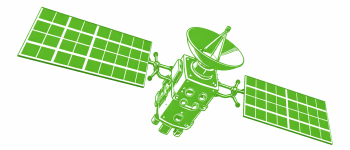
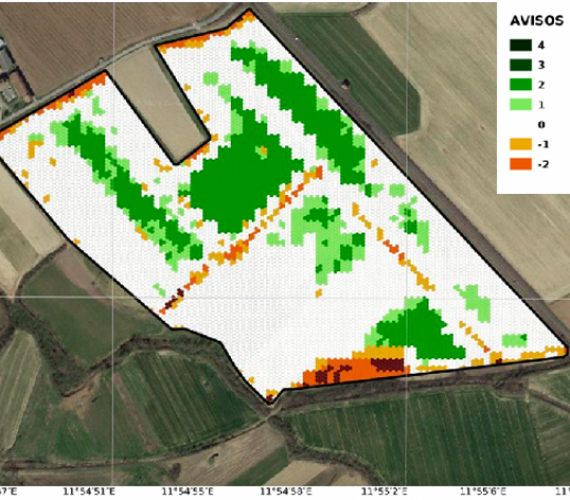
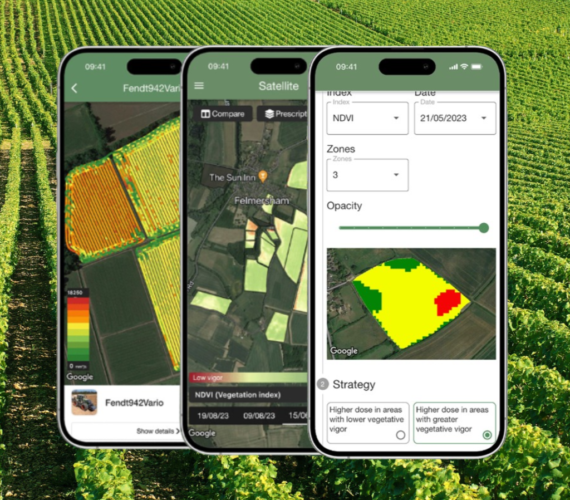
AgrInnovate’s satellite imagery solutions combine Sentinel and Planet data to provide a continuous, field-wide view of crop conditions. Using vegetation indices such as NDVI, SAVI, NDWI, NDRE, and CHI, farmers can monitor crop vigor, water status, and nutrient performance throughout the season.
Two:
Early Detection & Scalable Planning
Frequent satellite observations enable early detection of crop variability before symptoms appear on the ground. Sentinel provides reliable coverage every 4 days, while Planet delivers daily high-resolution updates, supporting timely planning and informed field management across large areas.
One:
Precision & Operational Efficiency
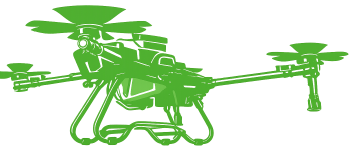
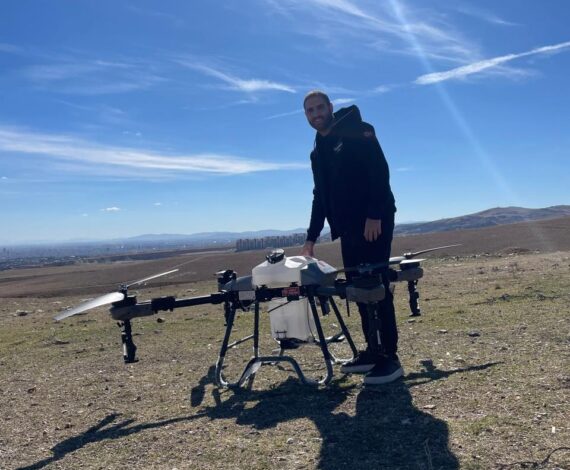
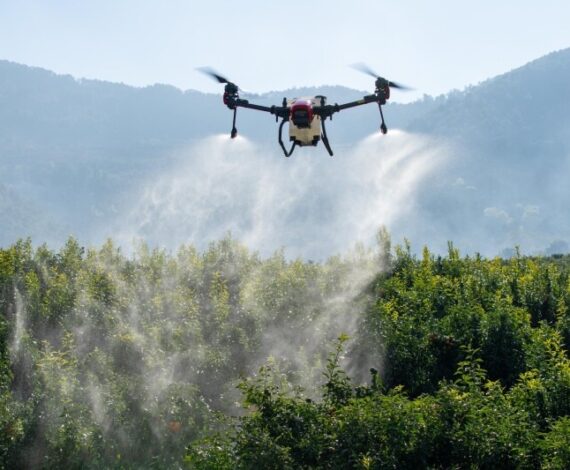
Drone spraying enables accurate and targeted application of crop protection products, ensuring inputs are applied only where needed. This improves application efficiency, reduces waste, and supports effective pest control across different field conditions.
Two:
Safer & Faster Field Operations
By automating spraying tasks, drones significantly reduce labor requirements and minimize direct human exposure to chemicals. This makes operations safer while allowing rapid intervention, especially in hard-to-reach or uneven terrain.